


Benedetti La Villa and the Roman Mosaic Beneath Its Vineyards in Negrar


In Negrar di Valpolicella, beneath the vineyards of Benedetti La Villa, archaeologists uncovered an extensive Roman villa dating back to the III century AD. What first appeared as a limited find soon revealed itself as part of a much larger residential and productive complex, deeply connected to agriculture and, very likely, to early wine production in the area.
The Mosaic Floors: Materials and Scale
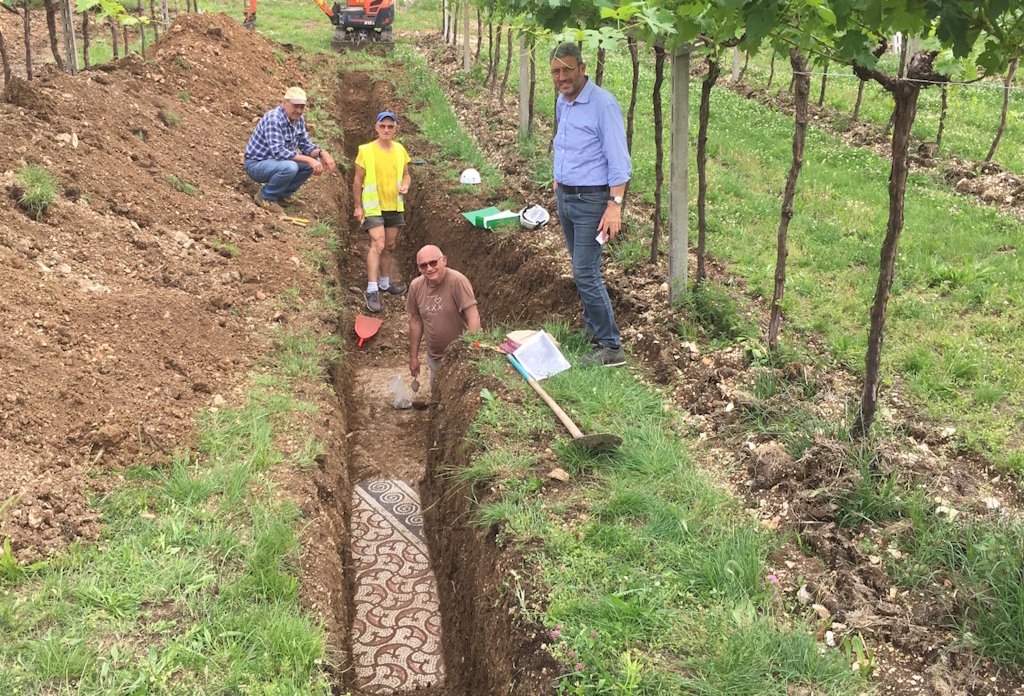
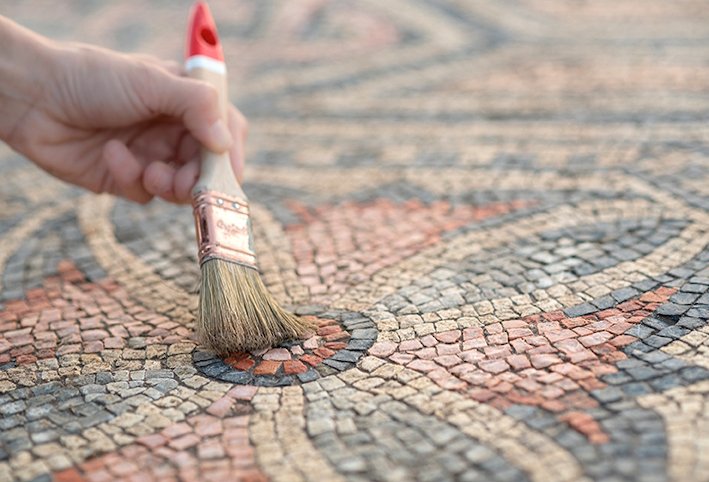
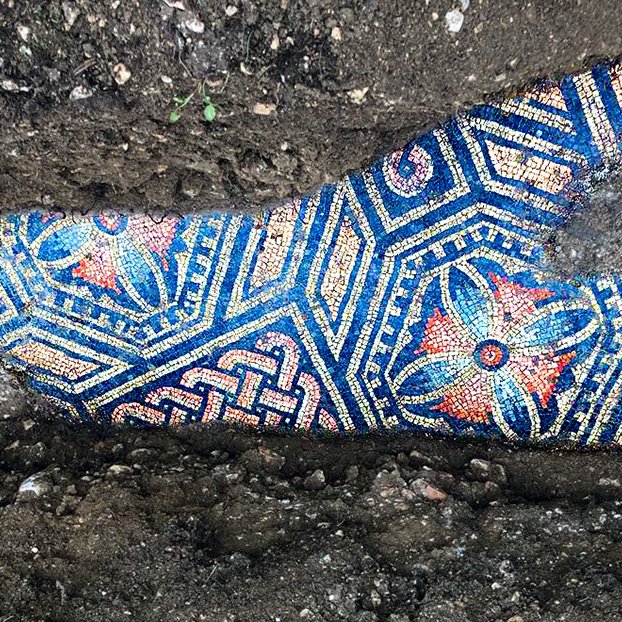
The mosaics discovered under the vineyards are composed of local marble tesserae, colored glass pastes pigmented with copper and iron, and fired clay elements. Despite centuries underground, the colors remain remarkably well preserved.
The portion initially brought to light is only a small section of what may extend for several meters. Archaeological interpretation suggests it formed part of the paved portico that surrounded a large internal courtyard of approximately 400 square meters attached to the residential sector of the villa. The geometric motifs, carefully structured and rhythmically arranged, indicate a refined architectural project rather than a simple rural dwelling.
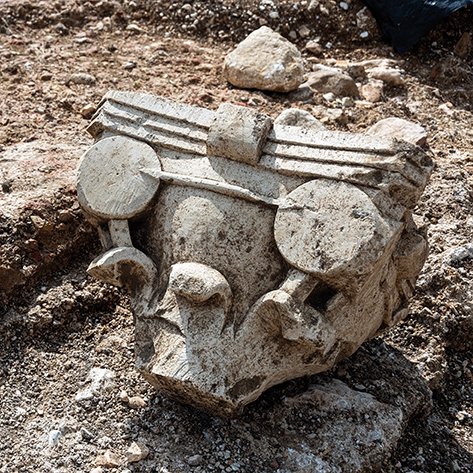
Over successive excavation campaigns, additional rooms and decorated surfaces have emerged, confirming the villa as a structured estate with both living quarters and production areas, typical of Roman villae rusticae in northern Italy.

Evidence of Ancient Viticulture
Among the most significant findings are numerous grape seeds and vine wood fragments recovered during the excavations. These elements strongly support the idea that the villa was already connected to wine production in Roman times. This connection is especially meaningful given that the villa lies directly beneath land still planted to vines, underscoring a continuous agricultural tradition spanning nearly two thousand years.
The cultivation of grapes and production of wine in Valpolicella have deep roots. In the VI century AD, during the reign of Theodoric the Great, his minister Cassiodorus praised a sweet wine called Acinatico, produced from dried grapes—considered a direct ancestor of today’s Recioto and, by extension, Amarone. The reference to Acinatico in historical texts shows that Valpolicella’s reputation for distinctive wines extends back well beyond the Middle Ages.
Valpolicella itself—sometimes associated with the Latin vallis polis cellae, or “valley of many cellars”—has long been recognized for its wine culture. Over centuries, local production evolved under Roman administration, the Scaligeri lords of Verona, and later the Venetian Republic, all of which helped shape the region’s identity.
See our article, for a fuller history of Valpolicella and Amarone.

Benedetti La Villa: A Modern Winery Above an Ancient Estate
The archaeological site is located under the property of Azienda Agricola Benedetti, a winery that produces Valpolicella and Amarone wines today. In 2021, Benedetti took responsibility for covering the newly uncovered mosaics, financing protective structures that allowed restoration work and public viewing while further excavations continue. This intervention made it possible to preserve the floors and open them to visitors pending the completion of the archaeological research and the future musealization of the area, a project coordinated by the Politecnico di Milano, Mantova campus.
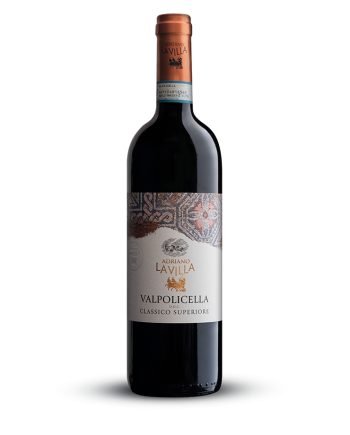
Inspired by the discovery, Benedetti La Villa created the Linea Mosaico, directly referencing the Roman floors found beneath its vineyards. The label design recalls the geometric compositions of the mosaics, linking the identity of the wines to the archaeological reality of the land.

Amarone della Valpolicella DOCG Classico Riserva “Mosaico” 2017
Original price was: €188.00.€158.00Current price is: €158.00.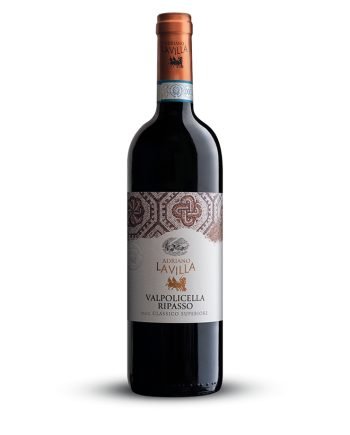
The Role of Azienda Agricola Franchini
In January 2022, excavations expanded into a new area belonging to Azienda Agricola Franchini, another winery in the zone. Following the example of Benedetti, Franchini renounced the cultivation of that specific parcel of land to allow archaeological research to proceed. The winery also provided equipment and covered preliminary excavation costs.
It was precisely on the Franchini property that a further mosaic section emerged, running parallel to the geometric floors discovered the previous year along the eastern side of the courtyard. This extension confirmed that the villa complex spreads across multiple privately owned vineyard parcels, reinforcing the scale and importance of the Roman estate.
[Ph Credits to Veronissima , Italiani.it , Archeologia Voci Dal Passato ]


 United States
 Canada
 United Kingdom
 Norway
 Switzerland
 Singapore
 South Korea
 Hong Kong
 Japan
 Australia
 New Zealand
 Taiwan
 Germany
 Belgium
 Luxembourg
 Netherlands
 France
 Austria
 Denmark
 Portugal
 Spain
 Ireland
 Sweden
 Finland
 Rest of the European Union
 Italy