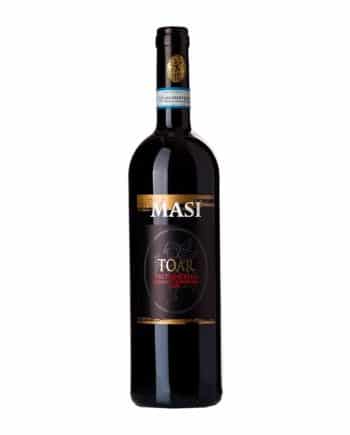
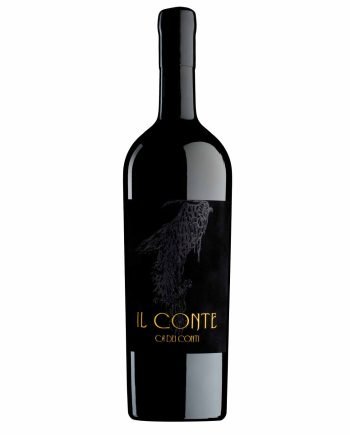
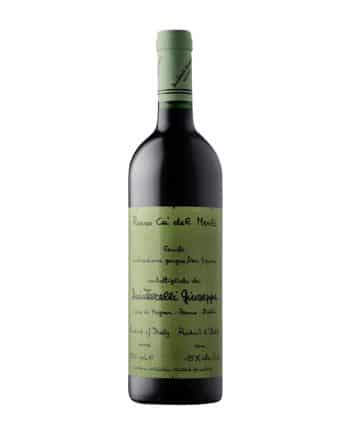
Masi Winery has its roots in the Valpolicella Classica hills of north-eastern Italy, an area with varied soils and microclimates. The Boscaini family purchased their first plot, called “Vaio dei Masi,” in 1772 and has continued to cultivate grapes like Corvina, Rondinella, Molinara, and the rediscovered Oseleta. A key element of production is the Appassimento method, in which grapes are dried for at least 100 days to create Amarone, Recioto, and double-fermentation styles such as Ripasso.
The company has expanded into multiple areas, Veneto, Friuli, Trentino, Tuscany, and Argentina, always emphasizing local grape varieties. Guided by the Masi Technical Group, ongoing research merges long-held methods with modern practices. The new headquarters, “Monteleone21,” sits mostly below ground beneath vines and stone walls, evoking the look of traditional terraces. Inside, a 12-meter-high space is reserved for drying grapes, as well as a spacious zone with a wine shop, bar, and restaurant.
Monteleone21 places strong focus on renewable resources, with geothermal and photovoltaic systems that minimize energy use. These efforts earned recognition in the Best of Wine Tourism competition organized by Great Wine Capitals and the Verona Chamber of Commerce.
Through the Masi Foundation, the winery supports cultural and educational initiatives, including the Masi Prize, which honours individuals who enrich wine-related customs. Today, Masi wines reach about 140 countries, showing a passion for each stage of production and respect for local origins and traditions.




 Bottle: 750ml
 Vintage: 2021
 Alcohol: 14%
 Grapes: Corvina, Rondinella, Oseleta
 Ageing: After the double fermentation, matured in small oak barrels for balance and complexity
 Aromas: Rich cherry and plum, sweet spice, cocoa and a hint of vanilla with a smooth, velvety texture.
 United States
 Canada
 United Kingdom
 Norway
 Switzerland
 Singapore
 South Korea
 Hong Kong
 Japan
 Australia
 New Zealand
 Taiwan
 Germany
 Belgium
 Luxembourg
 Netherlands
 France
 Austria
 Denmark
 Portugal
 Spain
 Ireland
 Sweden
 Finland
 Rest of the European Union
 Italy